Why You Shouldn’t Separate Your Local Social Media and SEO Strategy
Multi-location brands shouldn’t treat social media and local SEO as separate strategies — aligning them through consistent location data, review engagement, locally relevant content, and shared cross-channel KPIs is what drives trust and visibility.


Multi-location marketing teams have never had more channels or more fragmentation.
Social media calendars are full. Location pages are live. Reviews are coming in. Rankings are fluctuating. Yet many multi-location brands still treat social media and local SEO as two separate strategies.
That separation isn't just inefficient; it's a disadvantage. Notably, 92% of consumers read online reviews when making a purchase.
In 2026, visibility for local brands won't depend on how active they are on each channel. It will depend on how aligned those channels are in sending consistent, trust-driven signals.
Luckily, aligning social signals and local SEO doesn't require reinventing your workflows. It starts with understanding how social signals support local search and focusing on what actually matters. For instance, regular Google posts drive local business visibility and customer actions.
The key is building a simple, aligned workflow where social content, location data, and local search visibility reinforce each other instead of competing for attention.

What's the Real Challenge for Multi-Location Brands?
Most franchises and multi-location brands face similar obstacles:
- Inconsistent local profiles across platforms
- Social and SEO teams working toward different channel-specific KPIs instead of outcomes
- Local teams posting content that doesn't support discoverability or conversion
- Content fatigue from “posting everywhere” or even posting duplicate content without clear results
In practice, this often looks like headquarters optimizing location pages for search while local managers post promotions on social that never mention those services. Social teams celebrate engagement wins without knowing whether those interactions translate into more branded search queries or business impact.
The issue isn't effort. It's misalignment and inefficiency.
When social and SEO strategies aren't aligned, brands often end up with strong activity but missed opportunities, as well as limited insights when it comes to meaningful local engagement.
Easy, Practical Ways to Align Your Social and Local SEO Strategy
Social media activity hasn't traditionally been considered a direct ranking factor in local search, but that's starting to shift.
Emerging research suggests that certain social signals, such as engagement, brand mentions, and profile activity, are gaining more traction as ranking factors. While they may not yet carry the same weight as core signals like proximity, relevance, or reviews, they are increasingly influencing how search engines and AI systems interpret brand visibility and trust.
Aligning your SEO and social media strategy doesn't mean merging teams or adding more work. It means creating shared priorities and opportunities.
1. Reputation Signals Through Reviews and Consistency
Accurate, consistent location data is the most important foundation for your reputation and visibility – so you should anchor both your local SEO and social media strategy in your location data by looking at your:
- Business listings
- Location pages
- Social profiles
When this data is aligned, this strengthens the reputation signals search engines and LLMs rely on to surface your business.
Besides this, reviews are one of the strongest drivers of local search performance; they reinforce how search engines and AI systems interpret customer trust toward your brand.
Social platforms often act as review discovery points, where customers share experiences, ask questions, or tag locations.
When your social team actively engages with reviews and feedback — especially at the location level — they support brand credibility, engagement signals, and consistency across platforms. This is even more effective when local teams have clear brand guidelines or review response templates and flexible content frameworks to use as guidance.
As someone who travels solo, reviews play an even bigger role in my decisions. Before booking accommodation, I always read the most recent reviews, especially from other female solo travelers, to understand their real experiences before making a choice.
2. Engagement Through Local Relevance
Local SEO is increasingly about context and relevance, not just keywords, and SEO teams can often miss valuable engagement data from social platforms to inform their strategy.
Likewise, instead of asking their local teams to “post more,” multi-location brands should ask their SEOs to give their social teams clear, SEO-aligned themes when they post:
- Customer stories and reviews
- FAQs and common questions
- Local services or seasonal offerings/promotions
- Community involvement and local events
These help reinforce that a location is active, relevant, and connected to its community, while generating exactly the kind of signals search engines and AI engines look for when determining which brands to surface locally. This keeps content relevant without adding complexity.
3. KPIs That Matter to Both Teams
Social platforms are now discovery engines in their own right. Users often search directly on social channels or encounter brands through shares, tags, and comments before ever clicking a map result.
These brand mentions contribute to:
- Awareness before search
- Branded search demand
- Trust signals across the digital ecosystem
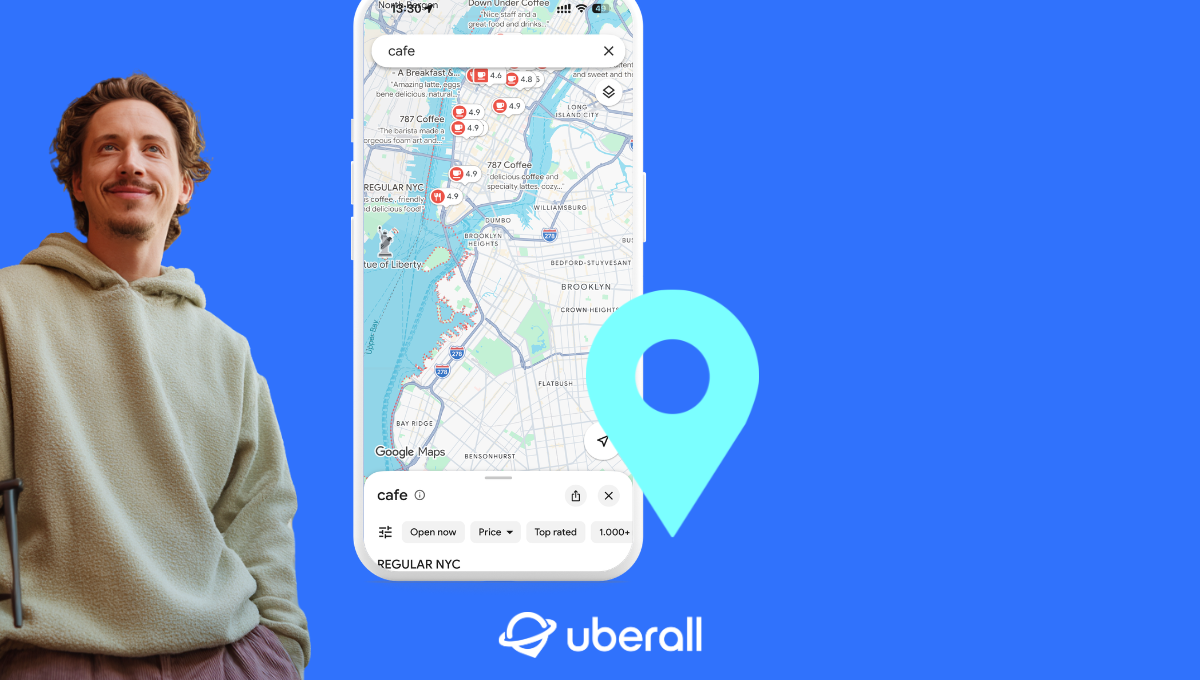
From a personal perspective, I rarely discover local businesses through Google search alone anymore. More often, I come across them through social media: a tagged cafe on Instagram, a review on TikTok, or a friend sharing a location. That initial discovery builds trust and curiosity, and only then do I search for the brand on Google Maps or visit their website.
For multi-location brands, this means visibility isn't a single touchpoint; it's a customer journey across platforms.
So, rather than social and SEO teams tracking likes, impressions, or rankings in isolation, multi-location brands should define shared outcomes across teams.
Examples of meaningful cross-channel metrics include:
- Branded search growth by region
- Review volume and sentiment trends at the location level
- Map pack impressions and direction requests
- Engagement tied to specific store-level events or promotions
- Location page traffic following social campaigns
When KPIs reflect real business outcomes instead of channel vanity metrics, social and SEO naturally begin working toward the same goal: local discoverability and trust.
What This Means for Multi-Location Brands
Multi-location brands don't need more channels or more content. They need better alignment. According to Seoprofy, brands that integrate social media with local SEO efforts see up to 27% higher local search visibility compared to siloed approaches.
Connecting social media and local SEO isn't about merging teams or more content and channels; it's about reducing wasted effort, improving clarity, and strengthening trust at the local level.
Search is becoming more conversational, more contextual, and more trust-driven. AI systems are no longer relying on a single source; they're interpreting signals across platforms to decide which local brands to surface.
For multi-location businesses, this means visibility depends on:
- Consistent location data across platforms
- Active engagement and review management
- Locally relevant content that reflects real-world activity
- Clear brand signals reinforced across social and search
As a consumer, I notice this shift in my own behavior. I often discover a café, hotel, or store on Instagram or TikTok first through tagged locations, reviews, or real customer experiences before searching for it on Google Maps or visiting the website. By the time I search, my decision is often already influenced.
That's exactly how social media improves local search presence by connecting brand signals most effectively.
Ready to Transform Your Business?
Connect with our partnership team to learn how Uberall can help you achieve similar results. Get a personalized consultation and discover the opportunities waiting for your business.

.png)